




 Microcontroller based Digital Timer

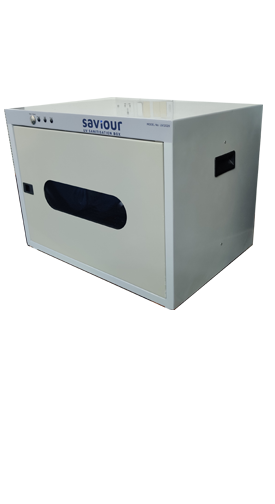
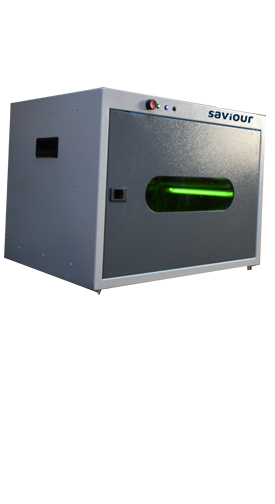
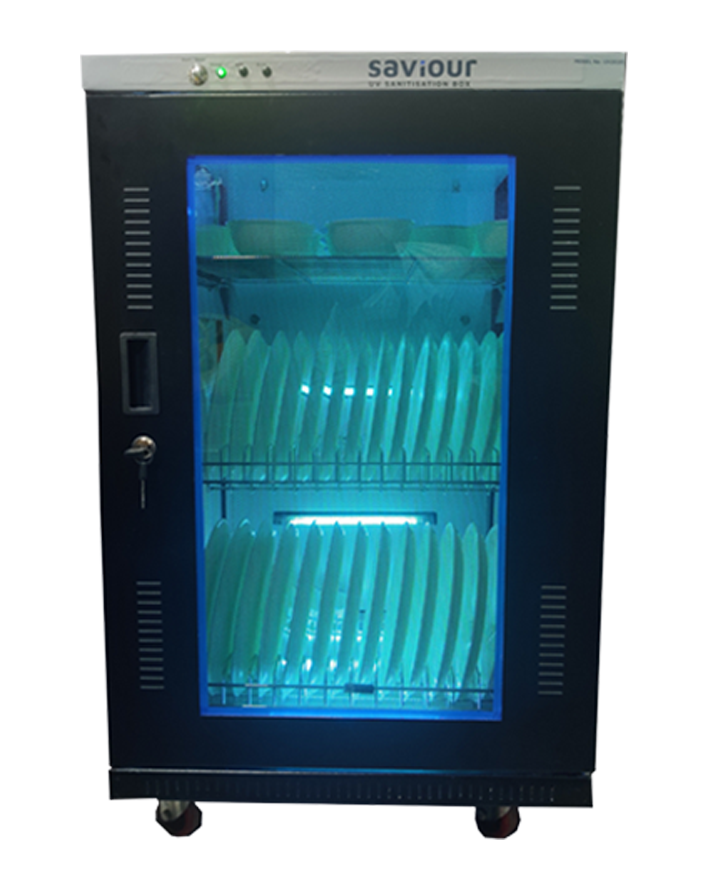
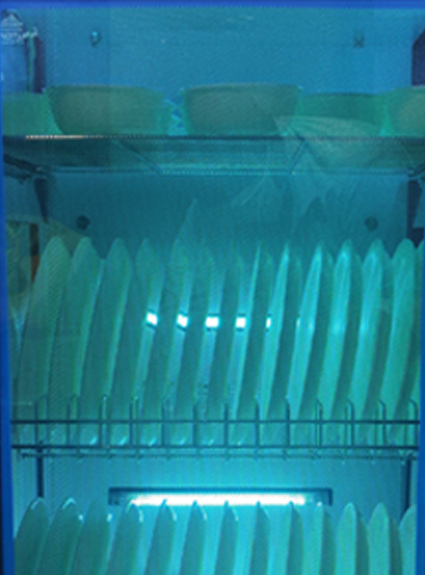
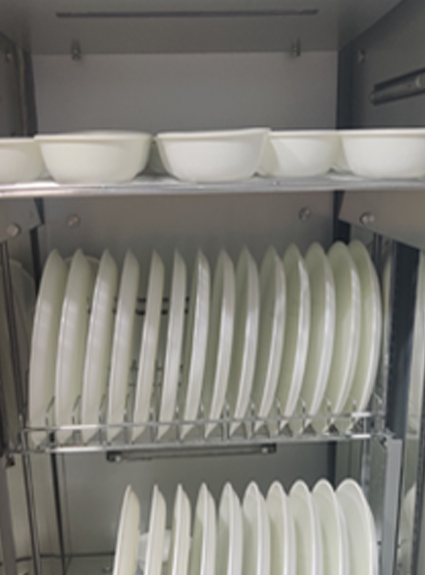






Saviour Ultraviolet
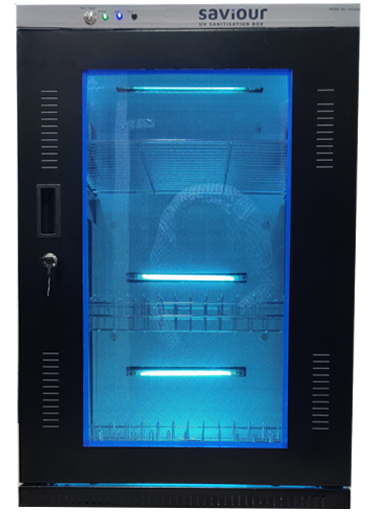
Germicidal surface disinfection systems are engineered for variety of residential, commercial and industrial applications.
The germicidal effect is based on photon absorption by DNA and RNA molecules. Photochemical reaction provokes dimerization of DNA and RNA bonds, which inhibits the ability of microorganisms to replicate. This process is known as inactivation of microorganisms.
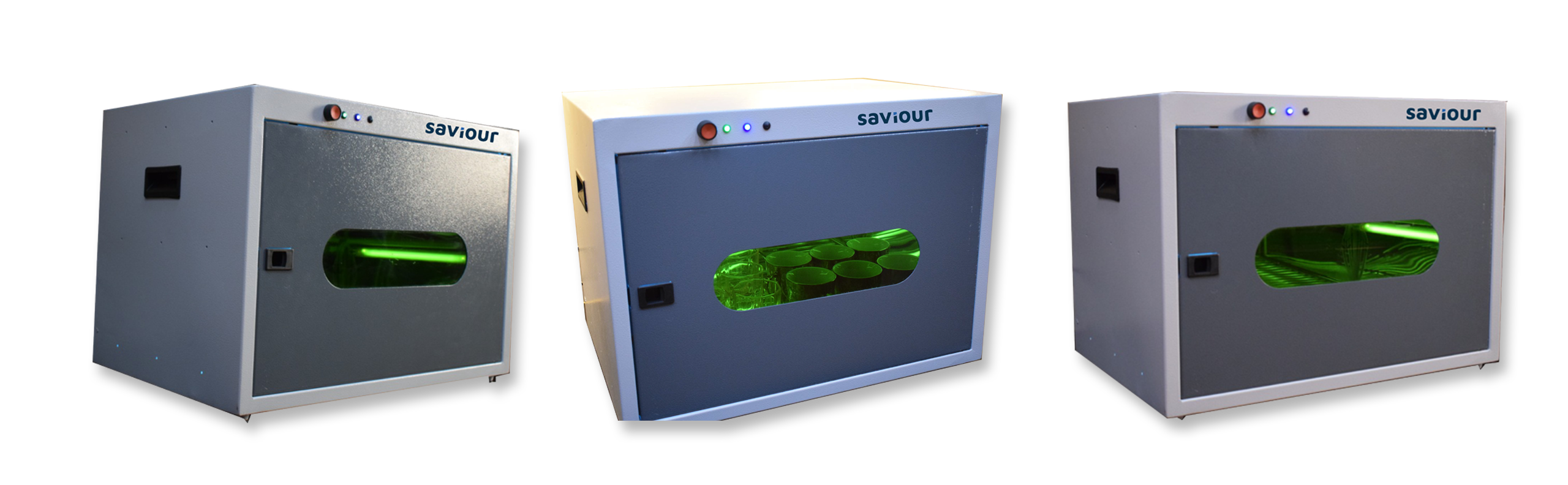
Amazing Features
Ultraviolet technology surface disinfection is based on germicidal effect of UV-C radiation. UV radiation is electromagnetic radiation between x-rays and visible light. UV wavelengths range from 100 to 400 nanometer
Watch This Video!
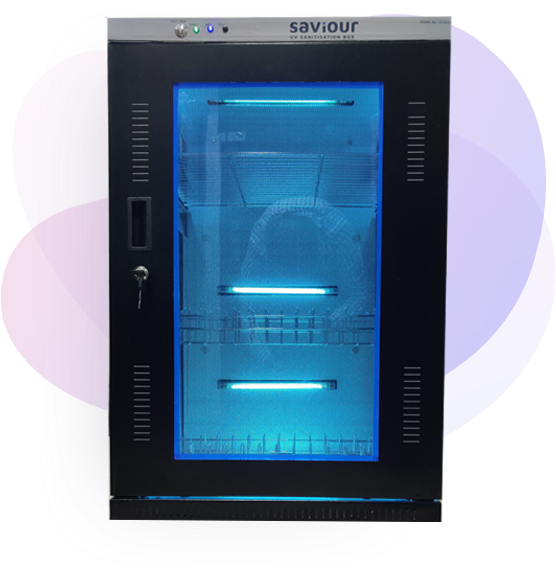
Learn how the Saviour Ultraviolet systems uses germicidal UVC energy, designed to be a part of a cleaning and disinfection program to reduce or kill pathogens on environmental surfaces. Many hospitals are finding it to be the ideal solution to augment their manual cleaning process for patient rooms, operating rooms and intensive care units.
Ultraviolet Inactivation
See Our Princing
We'll help you choose the right products and solutions.
UV16-3002
9,900.00
- Capacity (L) : 30 L
- Wattage : 16 W
- UV-Lamps (Nos) : 2
- Dimension : 500 x 180 x 350
- Operating Voltage (AC) : 220 V
- Germicidal Wavelength : 254 nm
- Quantity:
UV24-3003
13,900.00
- Capacity (L) : 30 L
- Wattage : 24 W
- UV-Lamps (Nos) : 3
- Dimension : 450 x 300 x 350
- Operating Voltage (AC) : 220 V
- Germicidal Wavelength : 254 nm
- Quantity:
UV46-6023 standard
19,900.00
- Capacity (L) : 60 L
- Wattage : 46 W
- UV-Lamps (Nos) : 5
- Dimension : 550 x 400 x 400
- Operating Voltage (AC) : 220 V
- Germicidal Wavelength : 254 nm
- Quantity:
UV60-7542 professional
23,900.00
- Capacity (L) : 75 L
- Wattage : 60 W
- UV-Lamps (Nos) : 6
- Dimension : 550 x 400 x 500
- Operating Voltage (AC) : 220 V
- Germicidal Wavelength : 254 nm
- Quantity:
Germicidal Ultraviolet
UV-C Sanitizing lowers Germs to a Safe Level by either Cleaning or Disinfecting
Ultraviolet technology surface disinfection is based on germicidal effect of UV-C radiation. UV radiation is electromagnetic radiation between x-rays and visible light. UV wavelengths range from 100 to 400 nanometer.
The UV wavelengths are divided in 4 groups, each with a different germicidal effect – UV-A (315–400 nm), UV-B (280–315 nm), UV-C (200–280 nm) and Vacuum UV (100–200 nm).
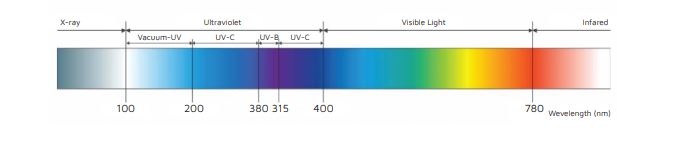
Within the UV spectrum, UV-C range is considered the strongest UV radiation, which is easily absorbed by DNA, RNA and proteins. This range is often called germicidal due to its high disinfection efficiency against bacteria and viruses. The highest germicidal effect occurs at 205-280 nm and the maximum germicidal sensitivity of microorganisms at 265 nm. The germicidal effect is based on photon absorption by DNA and RNA molecules. Photochemical reaction provokes dimerization of DNA and RNA bonds, which inhibits the ability of microorganisms to replicate. This process is known as inactivation of microorganisms. As the surfaces are exposed to the germicidal ultraviolet light, the genetic material of the microorganism is destroyed or inactivated, preventing them from reproducing and rendering them harmless.
| Organism | Type | Dose* |
|---|---|---|
| C. diphtheriae | Bacteria | 6.5 |
| L. pneumophilia | Bacteria | 12.3 |
| M. tuberculosis | Bacteria | 10 |
| P. aeruginosa | Bacteria | 3.9 |
| S. marcescens | Bacteria | 6.16 |
| S. aureus | Bacteria | 6.6 |
| S. epidermidis | Bacteria | 5.8 |
| MRSA | Bacteria | 6.5 |
| C. diff | Spore | 16 |
| Adeno Virus Type III | Virus | 4.5 |
| Coxsackie A2 | Virus | 6.3 |
| Influenza | Virus | 6.6 |
In Case You Need Help
Here are several ways to contact us
Call us any time, day or night
Whatever you're going through, you can call us any time, from any phone for FREE.
Call +91- 8595947004
Write us an email
Sometimes writing down your thoughts and feelings can help you understand them better.
support@saviouruv.com
Ultraviolet dose for Coronavirus Inactivation
Saviouruv Ultraviolet Advantages
This table summarises the results of studies that have been performed on Coronaviruses under ultraviolet light exposure, with the specific species indicated in each case. The D90 value indicates the ultraviolet dose for 90% inactivation. By using this exposure data, and comparing the UV light irradiance measurements from our UV disinfection lamps and systems, we can easily calculate the exposure times required to achieve a particular log reduction based at specified distances from the source.
Confirmation That Ultraviolet is Effective Ultraviolet light can be an effective measure for decontaminating surfaces that may be contaminated by the SARS-CoV-2 virus by inducing photodimers in the genomes of microorganisms. Ultraviolet light has been demonstrated to be capable of destroying viruses, bacteria and fungi in hundreds of laboratory studies (Kowalski 2009). The SARS-CoV-2 virus has not yet been specifically tested for its ultraviolet susceptibility but many other tests on related coronaviruses, including the SARS coronavirus, have concluded that they are highly susceptible to ultraviolet inactivation. This report reviews these studies and provides an estimate of the ultraviolet susceptibility.
| Microbe | D90 Dose | UV k m2/J | Base Pairs kb | Source |
|---|---|---|---|---|
| Coronavirus | 6.6 | 0.35120 | 30741 | Walker 2007a |
| Berne virus (Coronaviridae) | 7.2 | 0.32100 | 28480 | Weiss 1986 |
| SARS-CoV-2 (Italy-INMI1) | 12.3 | 0.18670 | 29811 | Bianco 2020 |
| Murine Coronavirus (MHV) | 15.0 | 0.15351 | 31335 | Hirano 1978 |
| SARS Coronavirus (Frankfurt 1) | 16.4 | 0.14040 | 29903 | 2020 |
| Canine Coronavirus (CCV) | 28.5 | 0.08079 | 29278 | 1988b |
| Murine Coronavirus (MHV) | 28.5 | 0.08079 | 31335 | 1988b |
| SARS Coronavirus (CoV-P9) | 40.0 | 0.05750 | 29829 | Duan 2003c |
| SARS-CoV-2 | 41.7 | 0.05524 | 29811 | Inagaki 2020 |
| Murine Coronavirus (MHV) | 103.0 | 0.02240 | 31335 | Liu 2003 |
| SARS Coronavirus (Hanoi) | 133.9 | 0.01720 | 29751 | Kariwa 2004d |
| SARS Coronavirus (Urbani) | 2410 | 0.00096 | 29751 | Darnell 2004 |